PRE-LAUNCH ACCESS: AVAILABLE UNTIL 05.05.2026
Back Pain Doesn't Just Hurt. It Quietly Cancels the Life You Were Building.
14-Day Back Capacity System

The holidays that didn't get booked.
The plans that became contingencies. The morning where the first thing you feel isn't hope, it's your back.
That's not weakness.
That's what happens when nobody explains what's actually going on.
I had chronic back pain for 8 years.
This is what actually changed it.

"I stopped saying ‘not today’ to my kids. I can get on the floor, get back up, and not feel like I’ve used myself up for the day" - Luke C.
“I’d been dealing with this for years and thought I’d tried everything. This course explained what was missing and gave me structure I can actually follow.” - Jane S.
"I was the guy with a cushion for every chair and a 'perfect posture' routine for everything. Now I just get on with my day." - Dominik K.
It's not just the discomfort. It's the caution, the avoiding, the mental load, and the way life slowly gets smaller.
Here's what's really going on
❌
The Mental Tax
Sitting, driving, bending, and basic plans start taking more thought, more caution, and more energy than they should.
❌
The Body You Don't Trust
Simple movement stops feeling automatic, so even ordinary things can start to feel tense, uncomfortable, or easy to avoid.
❌
Renting Relief
What helps for a moment often fades fast, leaving you stuck in the cycle of searching, trying, and starting over.
❌
The Quiet Withdrawal
It can quietly drain your mood, shrink your world, and take the spark out of work, relationships, and everyday life.
What Changes When You Build Real Back Capacity
✅
You start getting your life back
The ordinary things stop being a calculation. More of normal life just happens, without your back getting the deciding vote.
✅
You move with more confidence again
Bending down. Getting up. Reaching for something. These stop being things you think about and start being things you just do.
✅
You start building something you own
Not temporary relief you have to keep rebuying. Real capacity built into your body that stays with you.
✅
The rest of your life starts opening back up
Work feels lighter. Relationships get more of you. The things you've been putting off start feeling possible again.
Most back pain approaches work on one thing. The body or the nervous system. Never both. That's why relief fades.
The 14-Day Back Capacity System
was built around the part everyone skips.
The Two-System Approach
Most approaches pick one side. This works on both. The body AND the nervous system. That's the gap everything else misses.
The Permission Chain
You don't push through. The system moves at the pace your body actually allows. Built-in safety on every single day.
A Plan for the Bad Days
When a flare hits, most people panic or disappear. The Flare-Up Framework gives you a step-by-step protocol for exactly that moment.
The Mixing Desk
Pain isn't random. 13 dials control how loud it gets on any given day. Once you can see them, nothing feels random again.
Built for Real Life
No equipment. No rearranging your day. 15–30 minutes that work wherever you are, whatever your situation looks like right now.
Proof You Can Keep
Not hope. Not temporary relief. Real evidence, collected from your own body, that you're building something that lasts.
This is where it starts
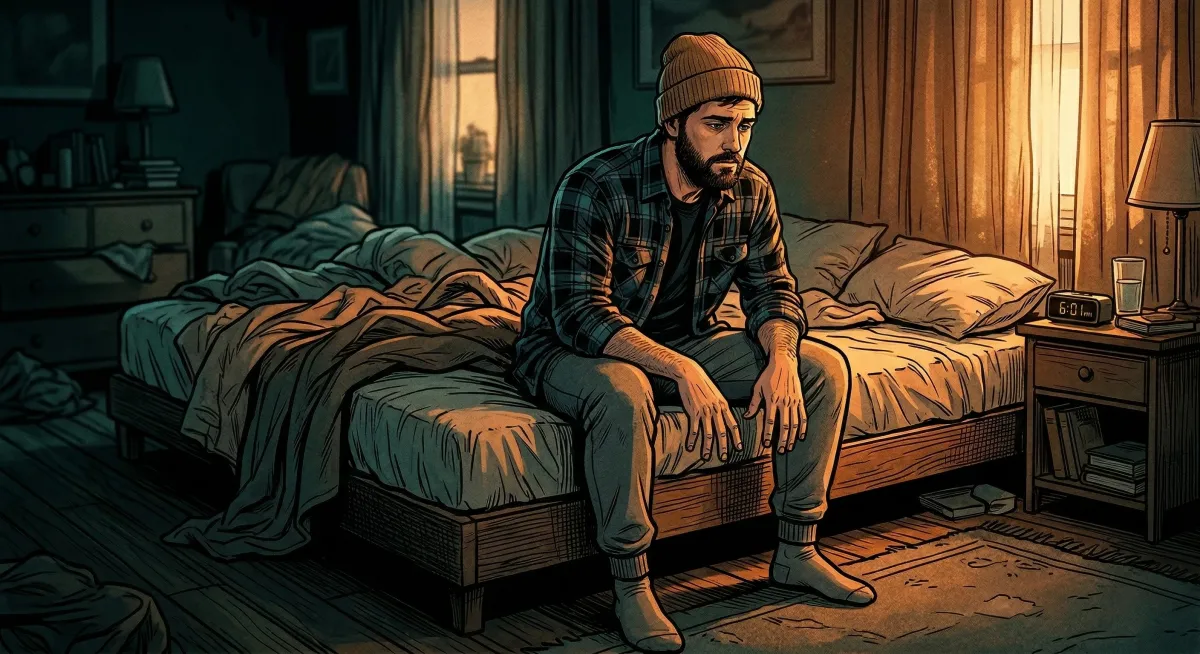
THE MORNING VERDICT
The alarm goes off. The first thought isn't about the day.
It's the check. Roll to the side. Push up slowly. Feel what's there. What are we working with this morning?
Some days it lets you get on with it. Some days it doesn't. Either way, it got the first vote before the day had even started.
Nothing done yet. Nothing lifted, nothing awkward, nothing wrong. Just woke up.
That check wasn't a decision. It's a pattern. That's exactly what we work on.
Add a Ti
THE “PAIN TAX”
tle Here
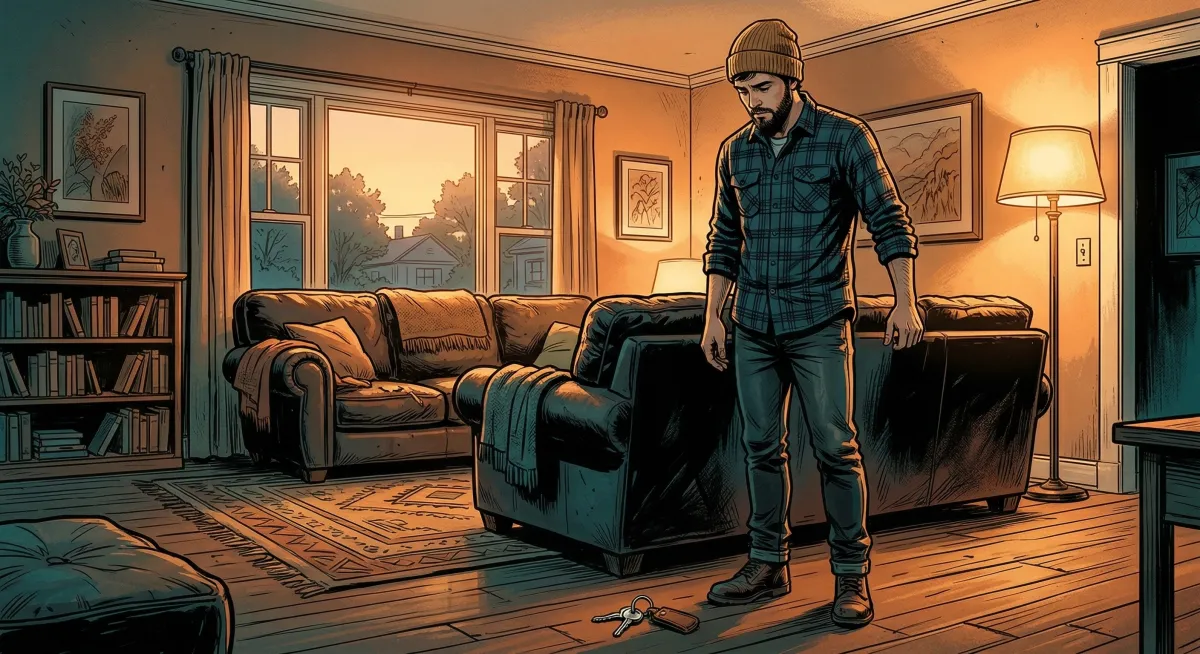
Dropping something on the floor is a small thing.
Except it isn't anymore. There's a pause. A quick scan. Is today a day where bending down costs something?
So you leave it there. Like it belongs to the floor now.
That's not one moment. That's a tax. Paid in small calculations. Movements quietly talked out of. Things left undone. The part of the brain that never fully switches off.
That's a body running a risk assessment on normal life. The system that learned this can unlearn it.
Add a Ti
RENTING RELIEF vs TAKING OWNERSHIP
tle Here
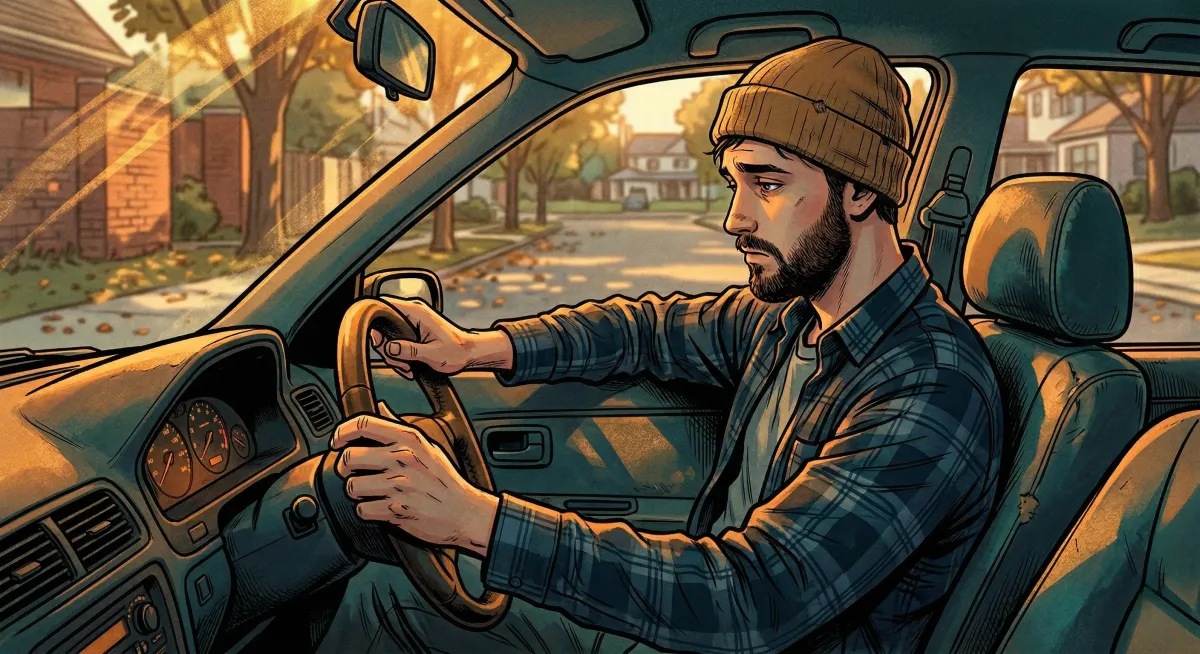
Walking out of an appointment feeling loose. Shoulders drop. There's room to breathe. For a moment it feels like getting the body back. Then the car ride home starts.
Pulled into the driveway. Sitting there. Tension is already back before the engine's even off.
The appointment didn't change anything. It just paused it.
That's the difference between renting relief and building something you actually own.
The 14-Day Back Capacity System
Course Curriculum
Everything is home-based. No gym. No fancy equipment.
If you’ve got a floor, a wall, and a chair, you’re in.
Day 1 - Draw The Line
The brain has a filter that controls how loud pain signals get. When it gets stuck, everything feels louder. Today reveals what it is and how to reset it.
Nobody gets injured picking up a sock, tying up a shoe or reaching for something on the back seat. The body ran out of something it needed before it got there. Once that mechanism is understood, pain stops feeling random.
Two systems. One signal. A map that makes flare-ups finally make sense. Then the first Reset session begins.

Day 2 - The Permission Chain
Most approaches start with the back. This one doesn't. Today reveals why the problem was never where the pain is, and introduces the chain that was causing the overload all along.
The body isn't a machine with a broken part. It's a connected system, and when one link stops doing its job, the back pays for it. The Permission Chain starts here, from the ground up.
The real feedback from any session doesn't come during. It comes the next morning. Today introduces a way to read it that removes all the guesswork.
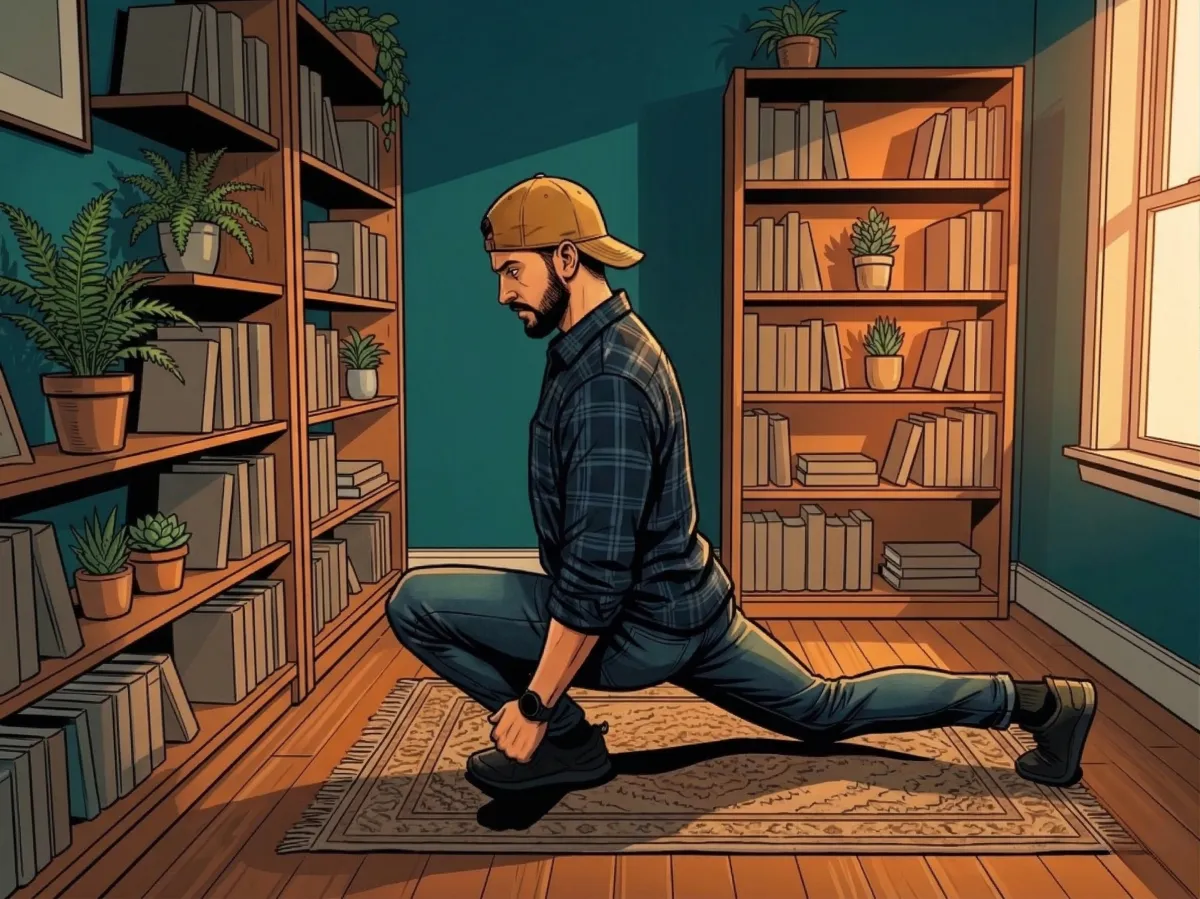
Day 3 - The Three Cycles
Pain keeps returning in the same pattern because the body learned to respond in a loop. There are three of them. Today names all three and shows how to break out.
The nervous system can learn to fire pain signals at a car seat, a specific chair or a sofa before anything has actually gone wrong. It's a conditioned response, and it can be broken.
By the end of today, the thing that felt random starts looking like a pattern. Patterns are breakable. The Permission Chain also begins here, starting from the ground up.
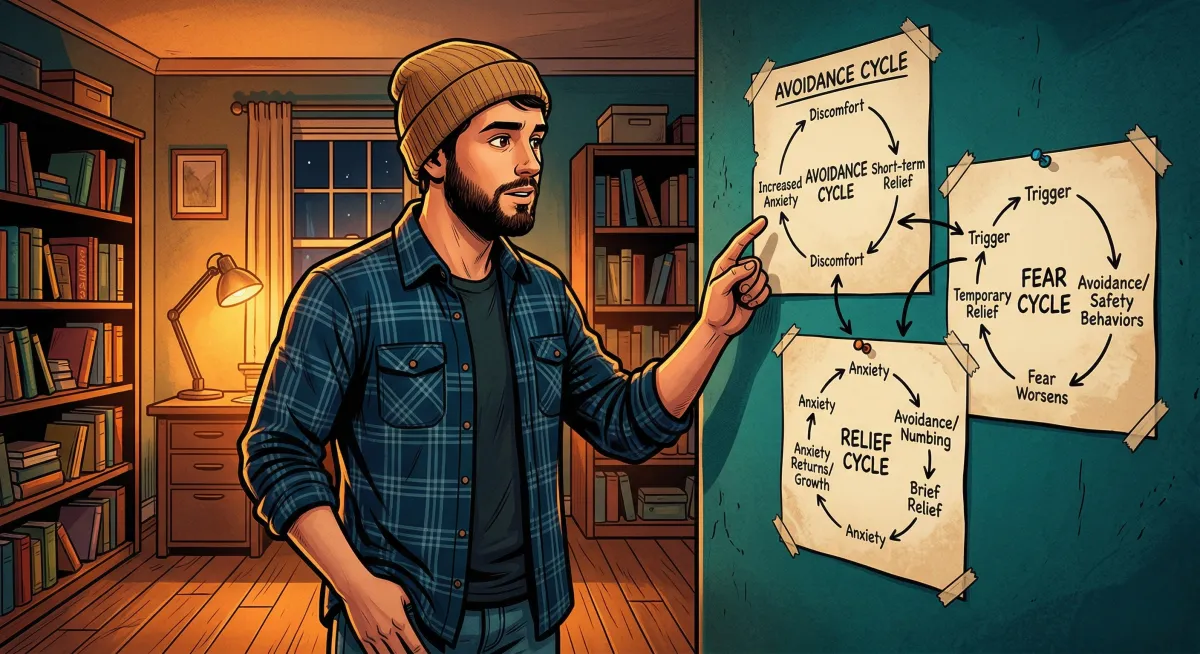
Day 4 - Pain Is Data, Not a Verdict
Pain can spike after a stressful phone call and disappear on holiday. It can fire before any movement even happens. That's not a body falling apart. That's a prediction system nobody explained.
Scans show "problems" in half of all people who feel nothing. What a scan finds and what the body feels are almost never the same story.
The brain doesn't wait for damage. It predicts it. Once that's understood, everything unravels. The Permission Chain continues with front and back of the hips.
Day 5 - The Rewire Toolkit
The nervous system doesn't change through understanding. It changes through experience. Today introduces a completely different way to interact with pain signals, one that works in real moments, not just in theory.
How to observe a sensation without reacting. How to tell the difference between normal feeling and real danger. How to respond differently when a spike hits instead of freezing.
By the end of today, the full Rewire Toolkit is in place: somatic tracking, sensation mapping, the Push-Back Method, desensitisation, and the Signal Switch. Plus the Permission Chain continues with outer and inner hips.
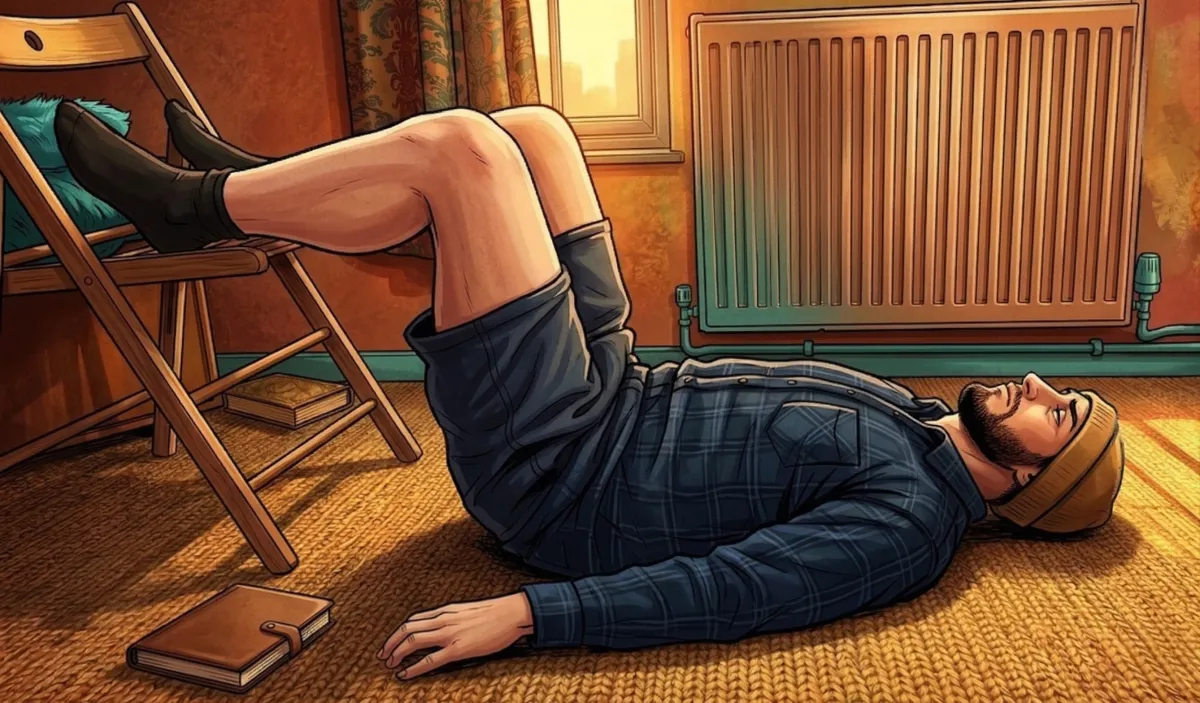
Day 6 - The Mixing Desk
Pain isn't random. There's a system behind it. Today introduces the Mixing Desk, a way of seeing exactly why pain shows up loud one day and disappears the next, without anything physical changing.
This day covers the four groups that control the volume: Mind, Overload, Body, and Life. Inside these sits the Overload Law, one of the most important concepts in the entire course, and the reason flare-ups finally start making sense instead of feeling like bad luck.
The Permission Chain reaches the top today with shoulders and lower traps, completing the full structural picture from feet to upper back.
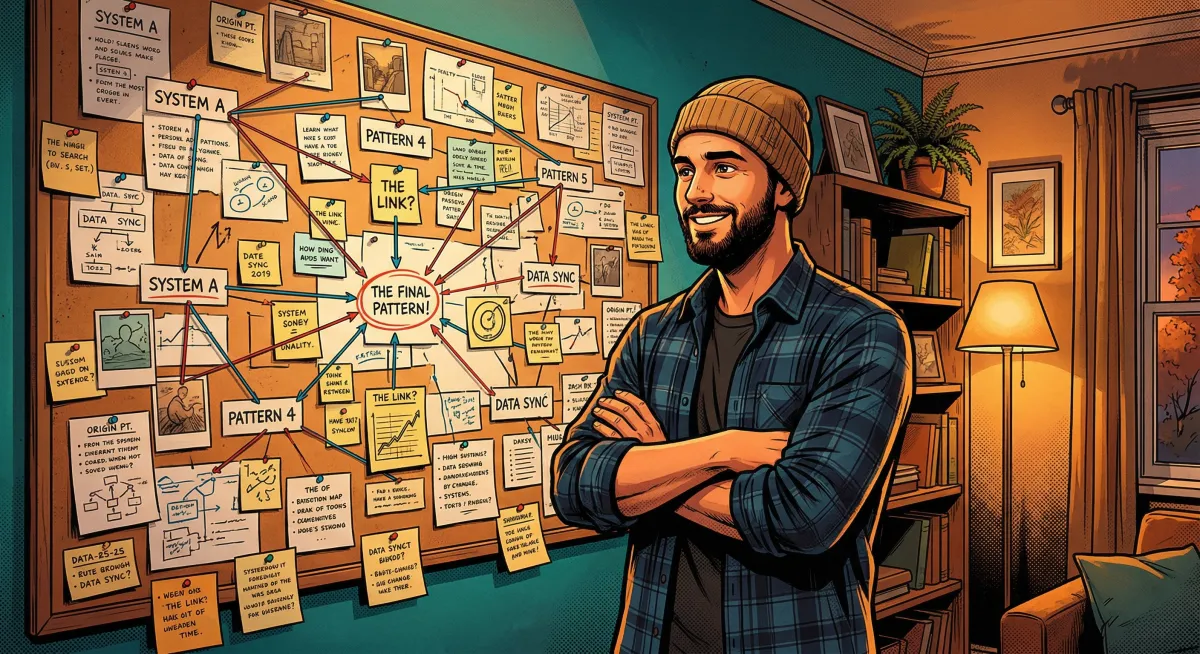
Day 7 - The Sensitivity Curve
Recovery doesn't move in a straight line, and nobody explains why. Today introduces the Sensitivity Curve and the Traffic Light Protocol, a 30-second morning check that reads the nervous system's state and tells you how to train that day.
Eight of the most common beliefs about back pain get taken apart with evidence. The things people have been told by doctors, trainers, and the internet for years, exposed as myths that were quietly feeding the fear the whole time.
Today also completes the Permission Chain from feet to shoulders and reveals the four layers of protection the spine was built with, the layers that the plastic model in the doctor's office never showed.
Day 8 - The Hidden Dial & The Flare-Up Framework
There's a reason pain tolerance shrinks over months and years without anything physical changing. Today reveals what's been quietly building underneath, and why the cup that used to hold a full day barely holds half of one now.
This day names the emotion almost everyone with chronic pain carries but never connects to their body. The Hidden Dial: the thing nobody talks about because nobody thinks it's related. Once it has a name, it loses its grip.
Then comes the Flare-Up Framework. A clear, step-by-step plan for the moment panic used to take over.
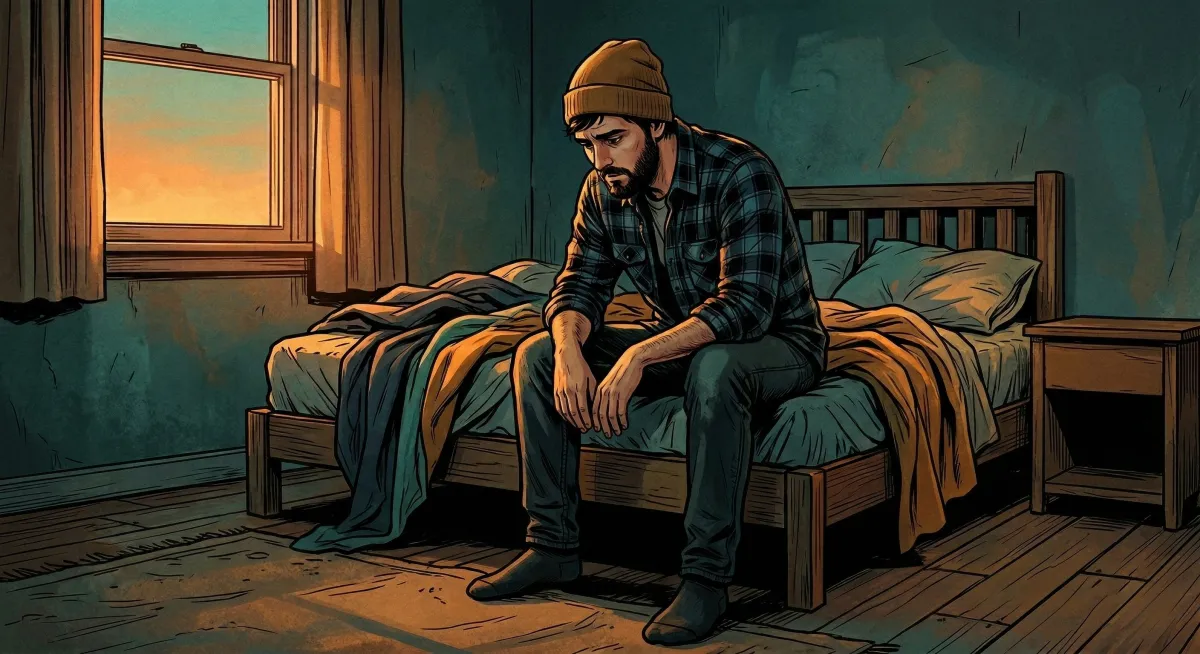
Day 9 - The Pushback &The Tolerance Gap
Feeling stronger but still getting caught off guard by tiny movements that shouldn't cause anything. Today explains why, and it has nothing to do with the spine. It's a gap between two systems that nobody talks about.
Around this point in the course, pain can get louder. Not because something went wrong, but because the nervous system is losing a pattern it held for years and it's pushing back. Today names that response, explains why it happens, and teaches how to read the difference between a pushback and a real warning.
By the end of today, those confusing moments where a completely normal movement triggers a flare finally have an explanation, and a way out.
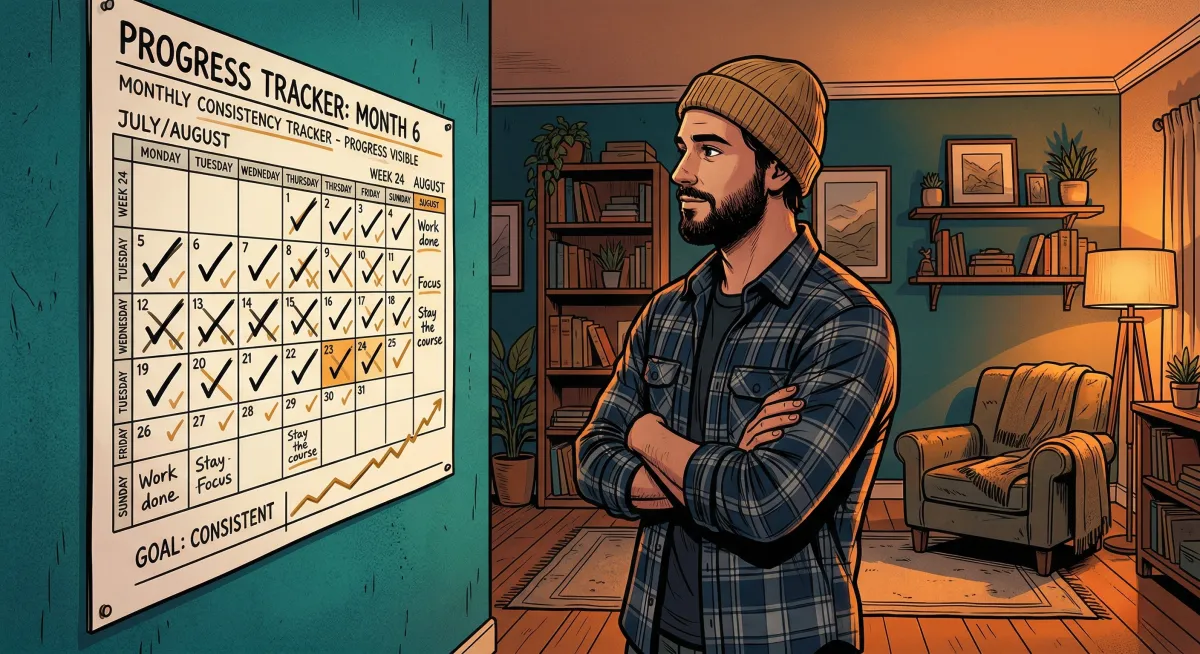
Day 10 - The Evidence Loop
Most people with chronic pain have made a silent deal with their body without realising it: "I'll stay careful if you stay quiet." Today reveals why that deal never works.
This day introduces the Evidence Loop, a way of collecting proof from your own experience that the nervous system has been overreacting. Real proof, built from lived experience, that it can't argue with.
Then it exposes one of the most overlooked habits keeping the pain cycle alive. The Reassurance Trap.

Day 11 - The Brain's Blind Spots
The brain treats bad days like headlines and good days like background noise. Today reveals the filter that makes recovery feel slower than it actually is.
One of the most surprising findings in pain science proved that the nervous system responds to context, not just medicine. What this means for recovery is something the course has been building toward from Day 1.
The Nocebo Detox. The scary sentence a doctor said years ago that the conscious mind forgot but the body still follows.
Day 12 - Sitting Pain &Morning Stiffness
Sitting looks like rest. Morning stiffness looks like damage. Good days look like permission to catch up on everything. All three are wrong, and today explains what's actually happening.
The Good Day Trap is the one nobody warns you about. The best days are where the next flare quietly gets set up. This day reveals why.
Then it makes the case for the most boring, least exciting strategy in the course. And why it outperforms everything else by a distance.
Day 13 - The Real Timeline
Different tissues in the body heal at completely different speeds. Today reveals the actual timeline nobody explains, and why "fix it in 30 days" was never possible.
Three curves are moving at once: biology, the nervous system, and confidence. They don't sync up. Understanding which one is lagging behind changes how you read your own progress.
Then comes the emotional map of recovery: five predictable stages that almost everyone goes through in the same order. Once you see where you are, it stops feeling like something's going wrong.
Day 14 - The Identity Lock
At some point, without noticing, most people stop being a person who has back pain and become a back pain person. Today breaks that lock and explains why the difference matters more than any exercise.
This day lays out the full forward plan. Not vague advice. A clear structure for Day 15 and beyond, built around the three stages the body moves through over the coming months.
Fourteen days ago, none of this existed. Now there's a completely different operating system for the body. Today is about making sure it stays.
HERE IS WHAT YOU GET TODAY
The 14-Day Back Capacity System (Core System)
Not another list of stretches or exercises pulled from the internet. 14 days. Two systems working together that most approaches miss entirely. One rebuilds the body. The other retrains how it responds to pain.
Core Value: $229
Here Is Exactly What You Get Inside the Core System
📦 1. The 14-Day Step-by-Step Video Curriculum
14 days. Each one builds on the last. Every video introduces something that most approaches never cover, explained in plain language with clear next steps.
The Value: Absolute clarity and structure
🏛️ 2. The "Capacity Building" Framework
This isn't stretching. It's a progressive loading system that works on two sides at once: the physical structure and the nervous system. Standard approaches pick one side. This one works on both at the same time.
The Value: A body that actually holds up in real life.
🛋️ 3. The "No-Gym" Living Room Setup
A floor, a wall, and a chair. That's the equipment list. No gym, no gadgets, no barriers between starting and getting to work.
The Value: Zero friction, total convenience
♾️ 4. Lifetime Access (No Expiration Dates)
Access never expires. Start, pause, and return whenever life gets in the way. Buy it once, own the system forever. The Value: Zero pressure to "keep up"
The Value: Zero pressure to "keep up"
Your Complete Printable Toolkit
The 14-Day Back Capacity Journal
18 pages designed to run alongside the course. Each day has its own visual, a specific evidence log prompt, a body check-in, and a preview of what's coming next. Not a generic wellness journal. Built around every framework in the system.
Value: $37
The Flare-Up Framework Card
The step-by-step plan for the moment a bad day hits. Four stages. Three colour-coded action paths. Keep this one where you can see it.
The Void Protocol Card
The 4-step plan for bad mornings. What to do when the brain fills the silence with the worst possible story. Keep this one the fridge.
The Mixing Desk Assessment
All 13 dials across body, mind, and life on one page. Fill it in, see exactly what's turning the volume up, and know what to address first.
The Evidence Tracker
Two pages. Your personal case file built from real proof that the nervous system has been overreacting. Not hope. Evidence.
The Quick Start Guide
One page. Your daily structure, your three tools, your checklist for Before Day 1. Everything you need to start without confusion.
...and 4 more printable tools included.
Combine Value: $66
🎁 THE FOUNDING MEMBER BONUSES
Because you are joining during the
Pre-Launch, you get all of this for free.
🎁 BONUS #1: The “Beyond the Back” Masterclass
There's a difference between a person who has back pain and a back pain person. That line gets crossed without anyone noticing. This is how to cross back
Value: $129
🎁 BONUS #2: Founding Member Community Access (Direct Support + Momentum)
Rebuilding trust in your body is hard enough without doing it alone. Inside the private Founding Member group you get direct access to Marcel, real conversations with other people going through the same 14 days, and the kind of momentum that only comes from being surrounded by people who understand what this actually feels like.
Value: $149
🎁 BONUS #3: Early Access Feedback Pass (Help Shape the Next Version)
Founding Members don't just buy the course. They build it with me. Behind-the-scenes updates, priority input on upgrades, and early access to improvements future students won't have.
Value: $119
YOUR TOTAL TODAY
Total Value: $729
Standard Price: $229
Founding Member Price Today: $67
Meet Your Coach
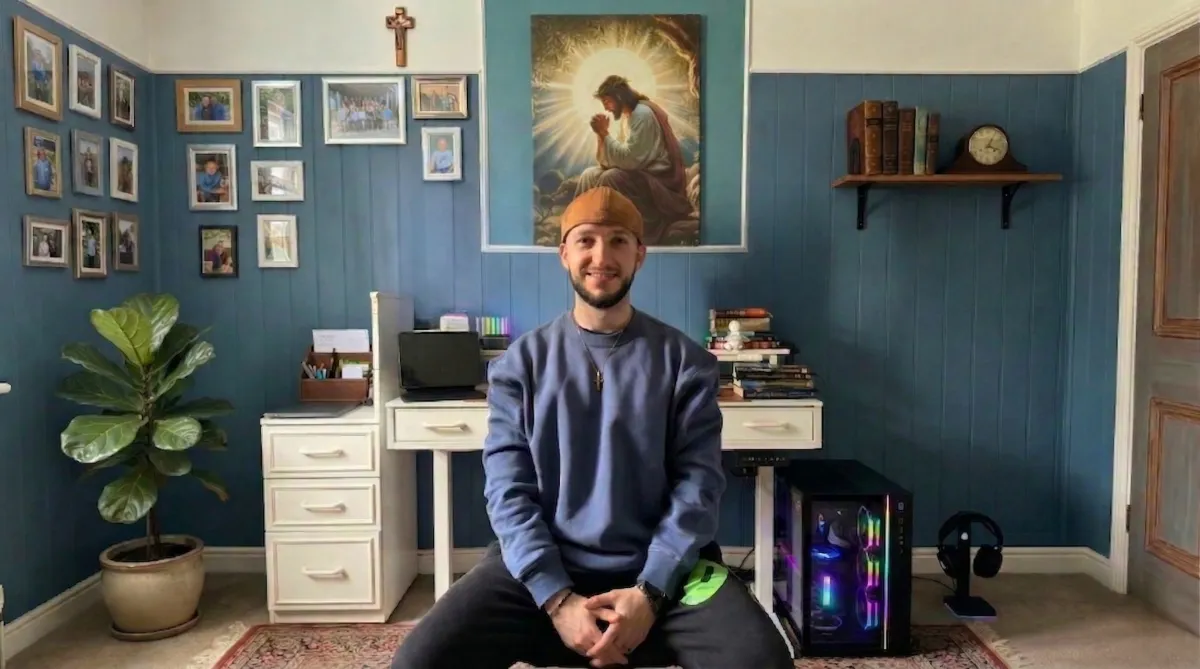
Eight years of pain taught me one thing: avoidance doesn’t give you your back
My name is Marcel.
I moved to another country to become a Royal Marine. Back pain ended that dream before I even got the chance to apply.
As a kid, I saw a program on TV about the Marines and knew exactly what I wanted to be. The only problem was my country didn't have Marines. So I moved to the UK. Learned the language. Started working. Five years before I could even apply for citizenship.
Then I got injured. Six months of no training. The clock was ticking, so I did what felt logical at the time. Pushed harder. Trained longer. Ignored the pain. Got injured again. And again. The gaps between injuries kept getting smaller. From months, to weeks, to every single day.
I was in pain for so long I forgot what it felt like not to be.
My dream was gone. And my identity went with it, because it was tied to that dream.
I couldn't sit for 20 minutes without my back screaming at me. Cinema? Not happening. Travel? I stayed in the UK instead of visiting loved ones back home because I felt that broken. People in my life started disappearing. And I realised I wouldn't see some of them again. Even though I had the chance. I just didn't go.
The pain created a thick fog over everything. There was no space for creative thinking, no meaning in studying or pursuing a better career, no room for contribution. I came home from work, trained through the pain because I was too stubborn to quit, and survived. Not lived. Survived.
Then the blame game started. The exercises. The chair. The mattress. The job. The bumps on the road. It never ended.
At some point I realised I could keep blaming everything around me, or I could take responsibility for my own life.
In late 2023 something changed. I reconnected with my faith and found the inspiration I needed to stop surviving and start building. Because of that I was able to figure out the way out. The fog lifted. And what was behind it was the life I was supposed to be living.
Since then: 800+ consecutive days of training, waking up at 4:00AM every single day. Work days, off days, holidays. The vision became so clear that everything else fell into place. I earned multiple qualifications, quit every habit that wasn't moving the needle, and built this from scratch. The transformation wasn't motivation. It was the pain lifting and life flooding back in.
That's when I realised a big part of the battle isn't just happening in the body. It's happening in the head.
I believe we were created to create, serve, and contribute. If any one of those is missing, we can't live a fulfilling life. Chronic pain blocks all three. That's not just a theory for me. I lived it. Eight years of fog where none of those things were possible.
I started recognising the patterns. And I put everything I'd learned into something simple, easy to follow, designed to meet people where they are, not where they think they should be.
That became the 14-Day Back Capacity System.
Two systems working together. One rebuilds the body. The other retrains how it responds to pain. Most approaches pick one and ignore the other. That's the gap this course was built to close. No gym. No equipment. 15 to 30 minutes a day. Start from wherever you are right now.
Who Is This Course For?
We didn’t build this for everyone. We built this for a very specific person.
Your life got quieter and you didn't choose it. The holidays that stopped getting booked. The plans that quietly got dropped. The things you used to do without thinking that now come with a calculation. You're not in crisis. You're just living a smaller version of the life you had, and most days you don't even notice how much you've given up.
You live with "Background Noise". That constant low-level stiffness that never fully leaves. The ones who brace before bending, mentally scan every room for the safest seat, and plan their weekend around what the body will tolerate. Not because something is "wrong" with the body. Because the nervous system learned to protect it and never learned when to stop.
You are done "Renting Relief". The massage guns, heat packs, cracking, and "that one stretch" from YouTube. They work for an hour, then the discomfort comes right back. That's not bad luck. That's a sign the approach is only touching the surface. This is for anyone ready to work on what's underneath.
Bottom line: If you are functioning... but you are paying for it... we built this for you.
Who Is This Course NOT For?
Let’s be upfront to respect your time. This program is not the right fit if:
You are looking for a 5-minute miracle: No magic tricks or "one weird stretch." This is a rebuild program. It takes 15 to 30 minutes a day of real work to build real capacity back.
You are committed to resting: If the strategy is to avoid movement, stay guarded, and wait it out, this system won't work. We address the problem through smart, progressive movement.
Your pain is from a fresh, acute trauma: If back pain started this week from a severe fall, car crash, or major accident, please get cleared by a doctor first. This course rebuilds long-standing, recurring problems not fresh medical emergencies.
You have medical "Red Flags": Stop reading and seek urgent medical attention if back pain is accompanied by numbness in the groin or saddle area, loss of bladder or bowel control, unexplained weight loss, or a fever.
Frequently Asked Questions
I’ve had persistent back discomfort or long-running stiffness. Is this safe?
For most people, yes. When discomfort has been around a while, the body can get protective and normal movements start feeling "high stakes." This isn't a "push through it" plan. It's a controlled, step-by-step rebuild where we start at a level that feels manageable and build from there.
Important: This is educational, not medical advice. If there's recent trauma, unexplained symptoms, or anything that feels severe or worsening, get checked by a qualified healthcare professional first.
Why will this work when other methods haven't?
Because most approaches only address half the problem. A mix of stretches, appointments, gadgets, and hope can feel busy without building lasting change.
The 14-Day Back Capacity System works on both sides at once: rebuilding physical capacity so the body can handle more, and retraining the nervous system so it stops treating normal movement like a threat. That combination is what builds real, repeatable progress, without the confusion of doing more and getting nowhere
How much time and equipment do I need?
15 to 30 minutes a day. And because no two days look the same, it can be split: 15 minutes in the morning, 15 minutes later. No gym needed. A floor, a wall, and a chair are enough to start.
What if there’s a setback or a rough day during the program?
Rough days happen. They're part of the process, not proof anything is broken. On those days, we switch to the Reset Tools to calm things down, then pick up again when it feels steady. One bad morning doesn't get to steal the week.
How long is access & when does it start?
The moment you join, you get immediate access to the Welcome section, which is your starting point. It walks you through the two-system framework, how the 14 days are structured, and exactly what to expect so you're not going in cold.
The full 14-day programme follows on May 5th. That means the next few weeks are yours to get familiar with the approach before Day 1 officially begins. Lifetime access from day one. No expiry. You can revisit any day, any tool, any time.
Why listen to me?
I'm not a doctor. I'm someone who lived this for eight years and spent the years after pulling it apart. 800+ consecutive days of training at 4AM. Over 50 books on pain science, neuroscience, training and recovery. Multiple qualifications. I tested what actually held up in real life, then compressed it into 14 days so you can start getting life back without losing years like I did.

The 7-Day Real-Life Guarantee
I know you're skeptical. You've probably spent a fortune on appointments, massages, and gadgets that gave you a short window of relief... then things went back to how they were. I'm not letting you pay for another "maybe."
Join the 14-Day Back Capacity System and test it for 7 days in the places your back actually lives: in the car, on the sofa, and in the moments that used to make you brace.
Run the first week of the system. Use the Reset tools when you need it. Take the tools into your day.
If you don't feel a meaningful difference, more clarity, more control, and less of that exhausting "mental load" before normal movement, email me and I'll refund you. Every penny. No questions or guilt.